
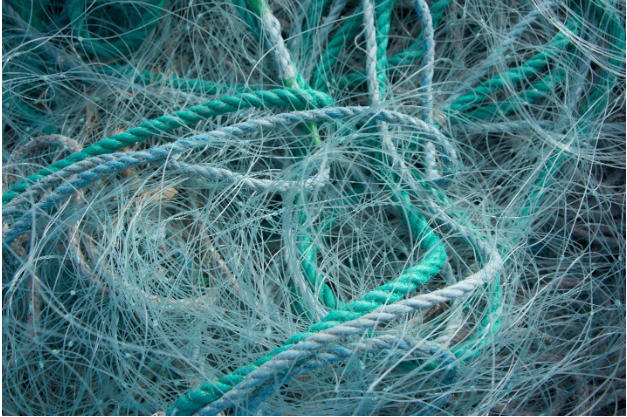

A monofilament fishing line is made from a single fiber. It is different from braided or multifilament lines, which use multiple strands of fibers.
Nylon monofilament line is now commonly used because it is cheap to manufacture. It can also be produced in different diameters with different tensile strengths. These are available in different colors, and the colorless line is popular because it is less likely to be spotted by wary fish.
In today’s article, we’ll talk about different characteristics of these lines and how they work in different situations. Let’s get started.
Stretch
Stretch may be a positive or negative thing, depending on the conditions you’re fishing in. In a monofilament fishing line, more stretch is a good thing when you’re trying to catch large fish. The stretch acts as a shock absorber and keeps the hook in the fish’s mouth (rather than breaking when the fish moves rapidly).
And less stretch is better when you want more feel and control. This is especially true when you’re fishing with a large amount of line or when you want to expertly deal with waves and other hindrances.
Diameter
Fishing conditions also greatly affect whether a small or large line diameter is needed. When you want to fit more line on a reel or when your goal is to target spooky fish, then finer diameters work best. Increased diameter is suitable to get more abrasion resistance (especially if you’re targeting toothy critters).
But increased diameter doesn’t always mean increased abrasion resistance. This is especially true if the lines are made from low-quality material and have the risk of breaking during the process.
Suppleness and Feel
Every angler must have experienced the cheap reel and rod combo. That poor quality line always wants to get off the reel and all over the ground.
On the other hand, a high-quality feel packs the line well onto the spool. It also casts and handles well when you’re actually fishing. It’s fine if the lines don’t utilize the highest-level material. And it’s also fine if the diameter is not the finest. As long as the lines are working effectively and don’t work against the angler, fishing will go smoothly.
Color
The color of the line also matters a lot to anglers for a variety of reasons. When the line bends with the environment, it isn’t easily seen by the fish. This works to the anglers’ advantage, as the fish can be easily fooled.
But there are occasions when they want the color to stand out so they can see where the line is actually going. Line management also becomes simpler this way, as the tangles between the rods can be easily managed.
Bottom Lines
The monofilament fishing line is the most common type of line, and for a good reason. The extraordinary flexibility, range of colors, and durability it offers are second to none. However, it’s important to also analyze the environment you’re fishing in and whether you’re catching small or large fish.